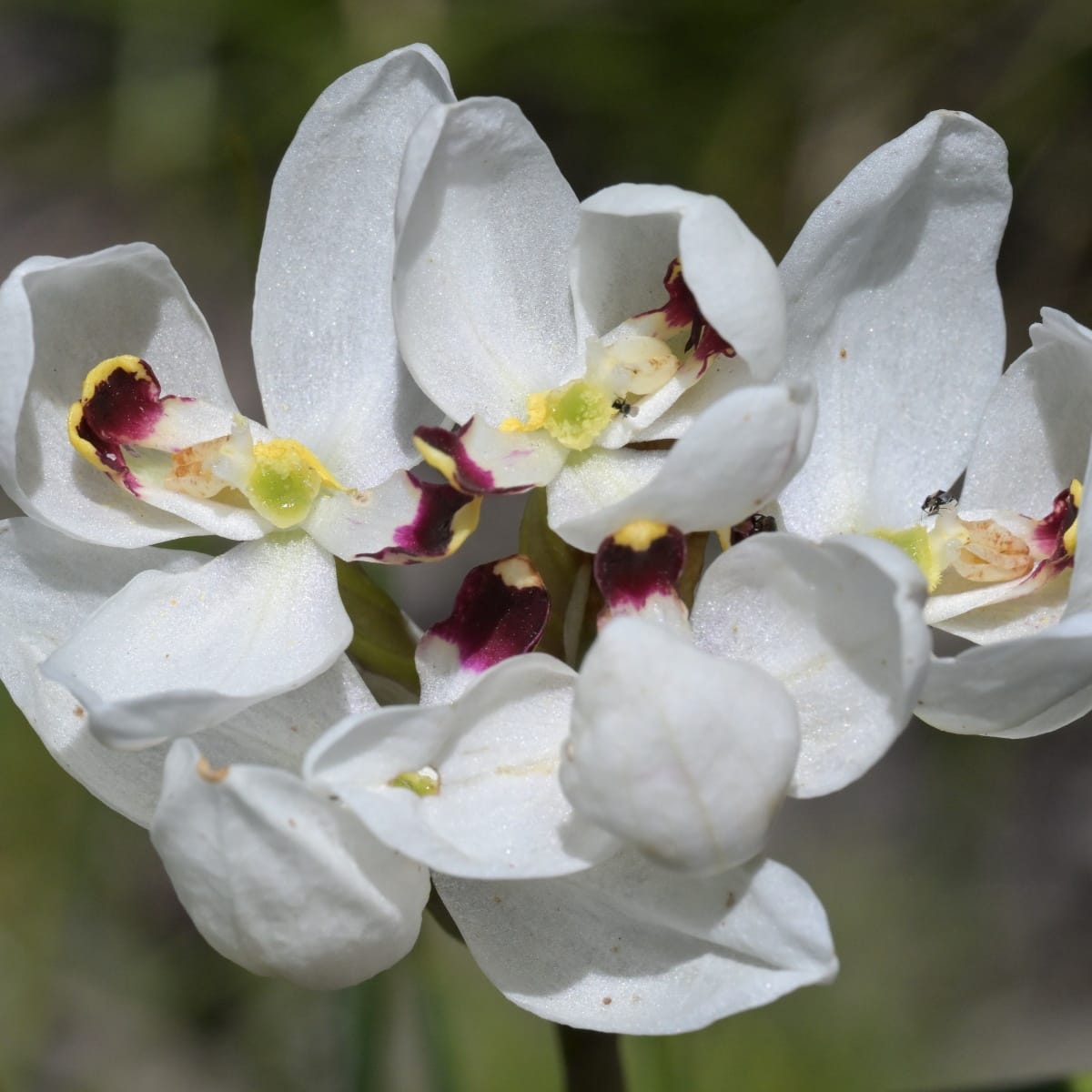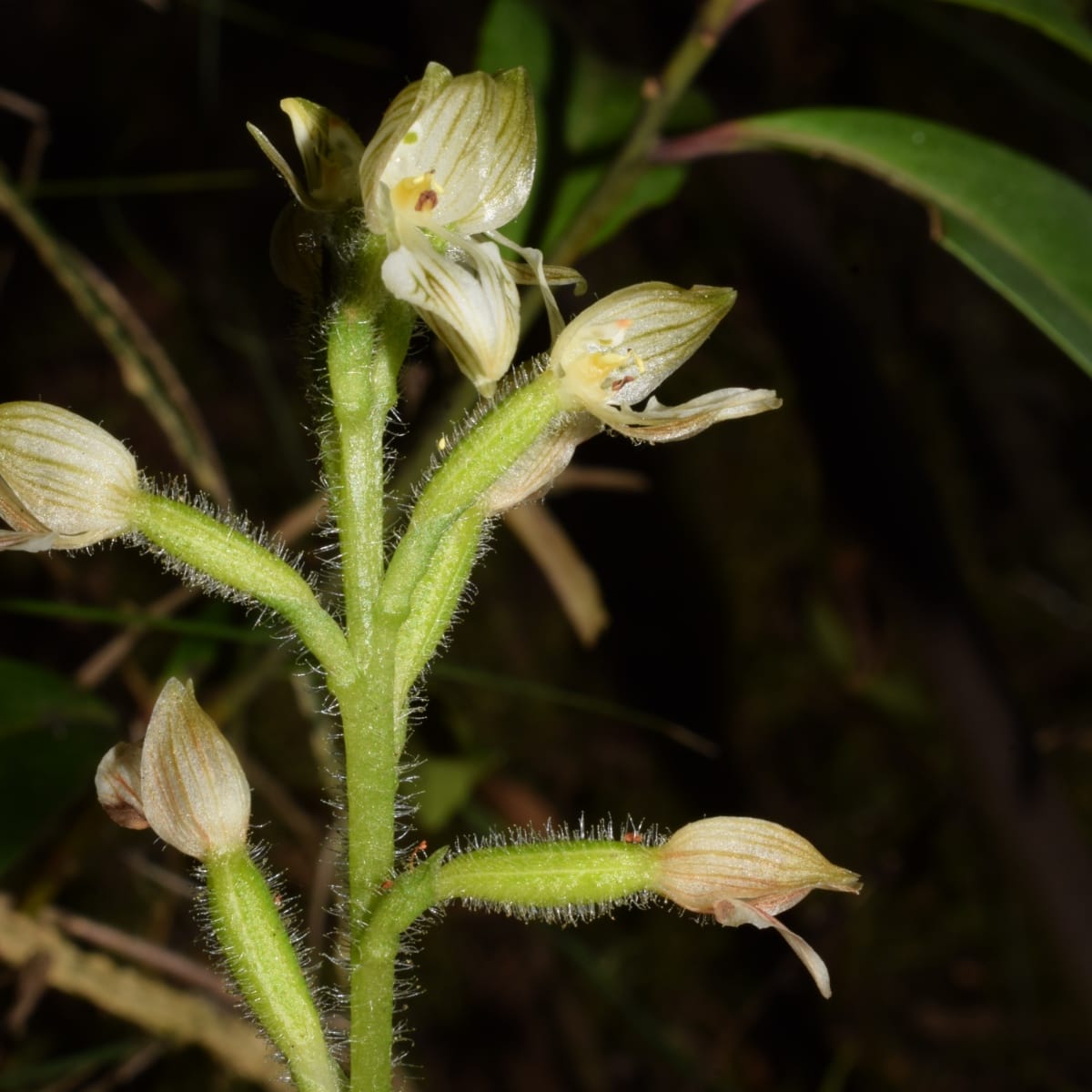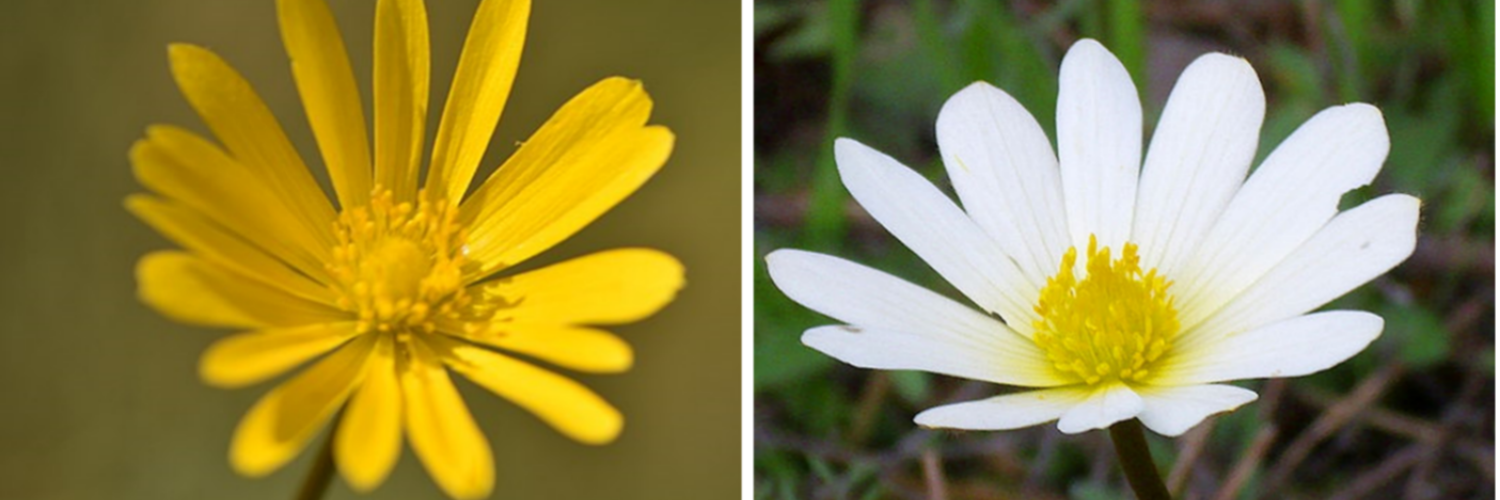



Flowers are one of nature’s wonders, captivating us with their beauty and impressive diversity of colours. The colour of flowers is determined by how they reflect light and absorb pigments. However, behind the aesthetic aspect of colours lies a complex biological relationship. Beyond merely delighting us, flower colours play crucial roles in interactions with pollinators, serving as visual signals that attract different types of insects, such as bees and flies.
These visual preferences are vital for pollination, as various insects are drawn to specific colours, influencing flower colour evolution over time. For instance, bees –which have a trichromatic visual system–favour blue flowers with ultraviolet patterns, while flies, with their tetrachromatic vision, are often attracted to yellow flowers.
While colour variation between plant species is common, variation within the same species is rarer. This phenomenon, known as polymorphism, can be observed in species like Anemone palmata, a plant native to the Mediterranean that typically features yellow flowers but can also produce white ones.
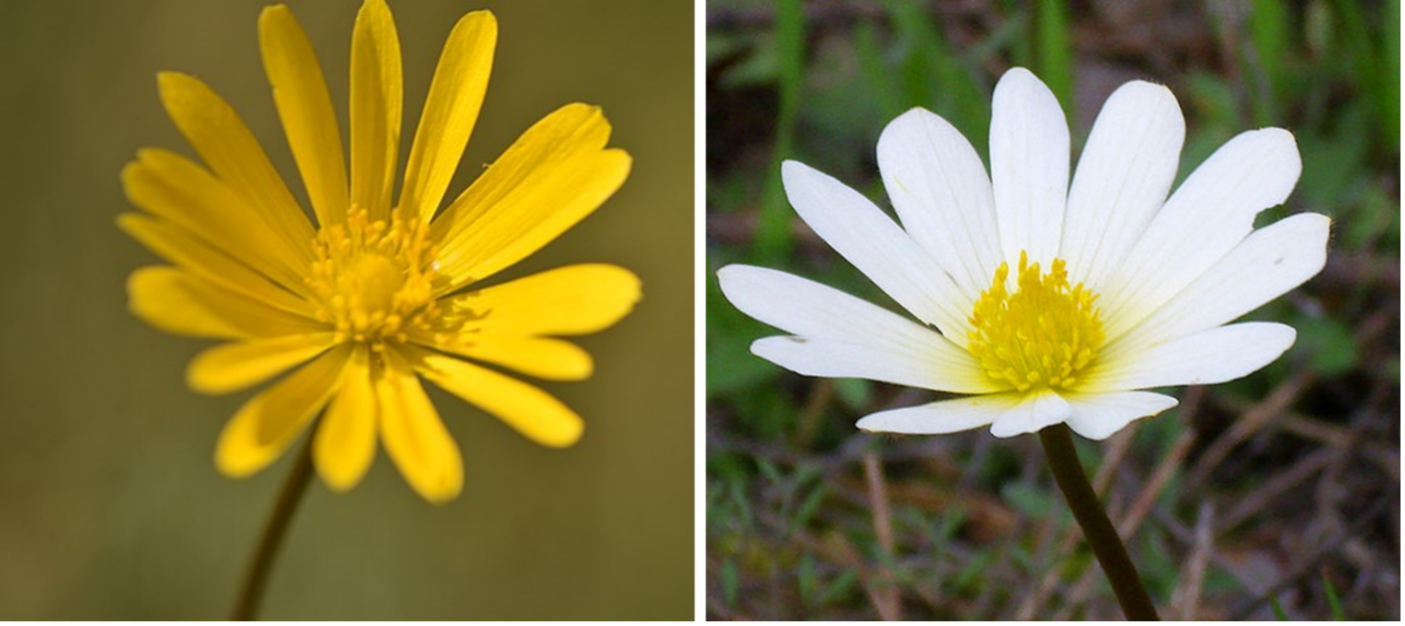
These colour variations offer a unique opportunity to observe evolution in action, how it directly affects the pollination process and how it shapes the interactions between plants and their pollinators. With this in mind, Nancy L. Rodríguez-Castañeda and her team explored the differences between the yellow and white flower morphs of Anemone palmata and how these colours influence pollinator attraction. They utilised data from iNaturalist –a social network where people share observations and photographs of the biodiversity they encounter– to map the distribution of these flower populations and conducted field observations in the Western Mediterranean to explore how these flowers vary and impact their interactions with pollinators.
The research revealed that the yellow flowers of Anemone palmata are widespread in the study region, while white flowers were only found in specific areas of Portugal and southwestern Spain. The predominance of yellow flowers can be attributed to natural selection, as the authors found that white flowers have lower reproductive potential and attract fewer pollinators than yellow ones. This suggests that yellow flowers are favoured in environments where pollination is crucial for reproduction, increasing their frequency in populations.
Rodríguez-Castañeda and her team also found that yellow flowers attracted more pollinators, particularly bees and hoverflies, due to their UV-reflective “bull’s eye” pattern. The UV-reflective pattern of yellow flowers makes them more visible and appealing to pollinators seeking nectar and pollen. In contrast, white flowers attracted fewer pollinators, mostly non-syrphid flies. Although white flowers exhibit a high chromatic contrast due to the difference between their yellow centre and white sepals, their UV-absorbing pattern is less attractive to some pollinators. These differences in attractiveness directly influence the visitation rate of white flowers and can consequently explain dissimilarities in the visitation rate, pollination events, and reproductive success of the plants.
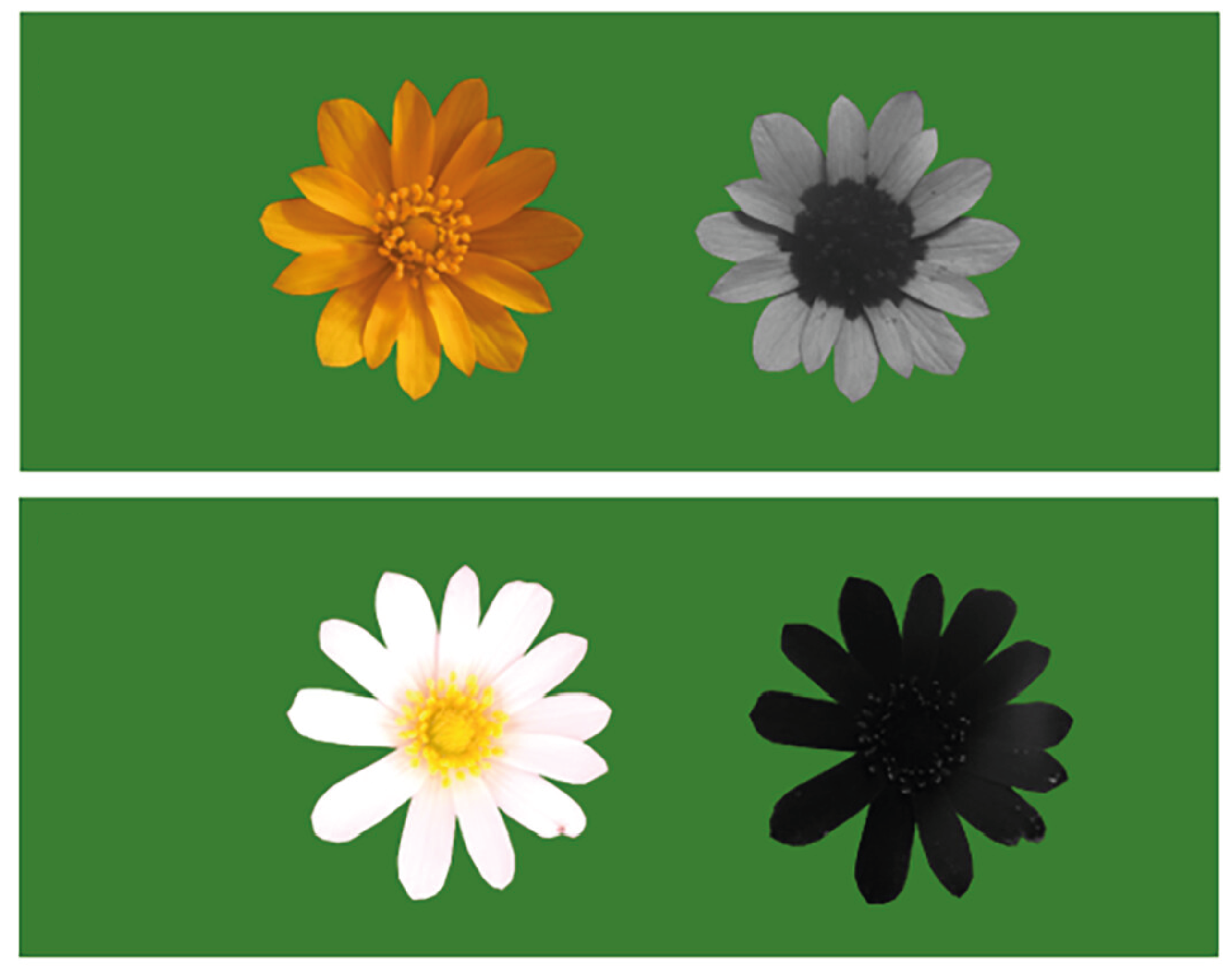
Finally, they observed that yellow-flowered plants had higher reproductive success than white-flowered plants, with yellow flowers producing more seeds. This happens because yellow flowers present higher pollination and fertilisation rates than white flowers. This finding indicates that the yellow morph has a reproductive advantage over the white morph, which faces about a 40% disadvantage in seed production. While white flowers can persist over time due to the plant’s perennial nature, their lower fitness might eventually lead to their rarity.
This research provides fascinating insights into the colour polymorphism in Anemone palmata, where yellow flowers with UV-reflective patterns contrast with white, UV-absorbing flowers. The study highlights how pollinators, especially bees and hoverflies, play a crucial role in maintaining these two flower types by favouring the yellow ones. At the same time, clonal propagation helps sustain the white morph despite its lower reproductive fitness. Understanding the balance between pollinator preferences and floral traits provides deeper insights into how plants adapt and survive in diverse ecosystems. These findings could have broader implications for studying pollinator behaviour, plant diversity, and conservation efforts, particularly as environmental conditions and pollinator populations change.
READ THE ARTICLE
Rodríguez‐Castañeda, N. L., Buide, M. L., Arista, M., Narbona, E., & Ortiz, P. L. (2024). Pollinator response to yellow UV‐patterned versus white UV‐patternless flower dimorphism in Anemone palmata. Plant Biology. https://doi.org/10.1111/plb.13702

Victor H. D. Silva is a biologist passionate about the processes that shape interactions between plants and pollinators. He is currently focused on understanding how plant-pollinator interactions are influenced by urbanisation and how to make urban green areas more pollinator-friendly. For more information, follow him on ResearchGate as Victor H. D. Silva.