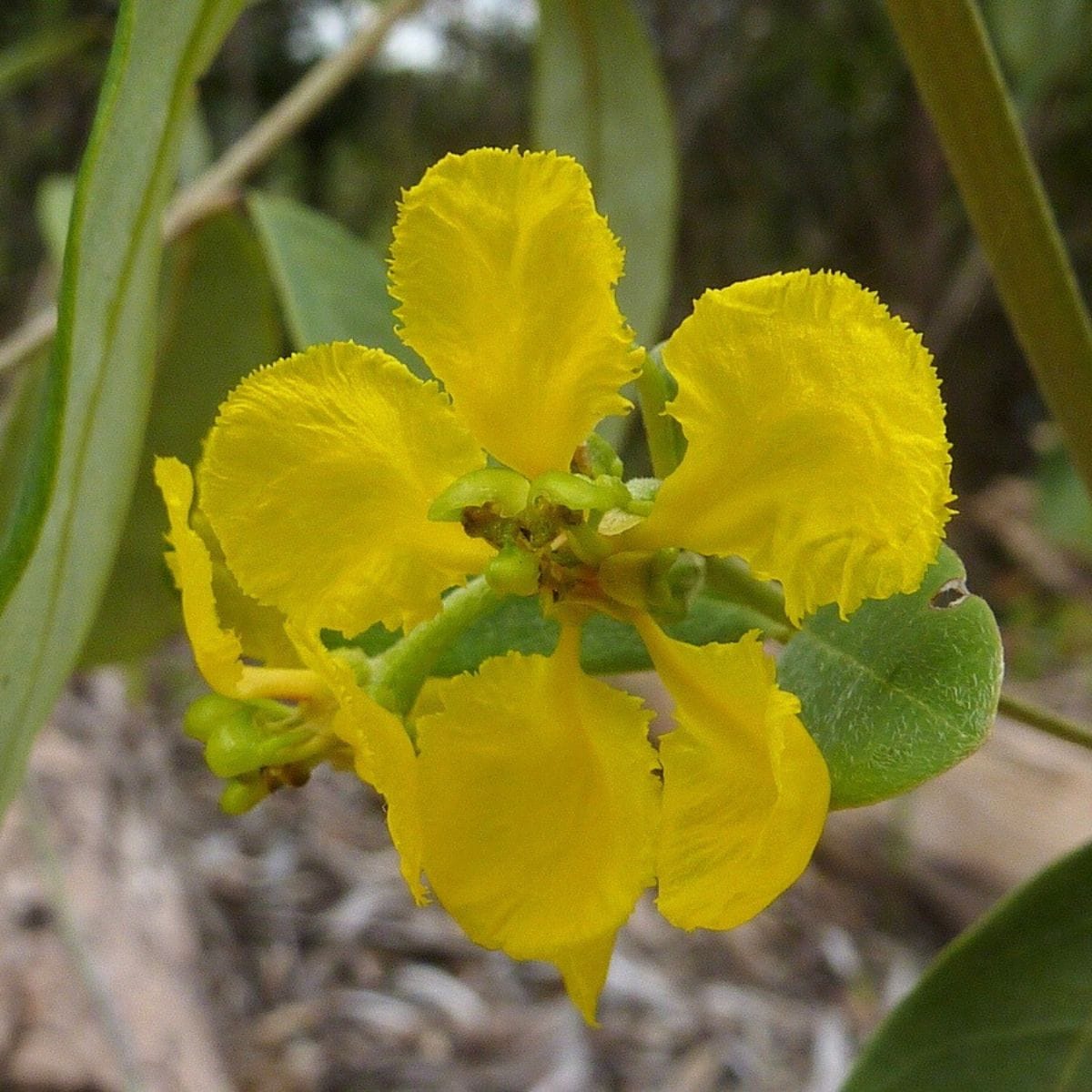



Every flower is a carefully crafted investment, a tiny billboard that plants put up to attract the right visitors. However, producing petals, pollen, and floral oils requires energy, and maintaining a bloom attractive over time can determine whether it succeeds in spreading its genes.
The time a flower remains open and attractive, known as floral longevity, can strongly influence a plant’s reproductive success. Some plants change colour as they age, signalling to pollinators that their rewards have changed or run out, while others keep a consistent appearance. Maintaining a fresh look is costly, but it can pay off if it keeps pollinators returning day after day.
Previous research has shown that floral longevity can influence male and female reproductive success differently. Male success depends on sending pollen to other flowers, so blooms that stay attractive longer have more chances to spread their genetic material. Female success depends on receiving pollen and often peaks early, so how long a flower stays open matters less.
Other traits, such as petal colour, nectar or oil production, and the overall floral display, act together like a carefully orchestrated signal. They guide bees and other pollinators, encouraging repeated visits and ensuring pollen reaches the right place at the right time. By balancing appearance and rewards, plants can maximise reproductive success even in environments where resources are scarce or pollinators are unpredictable.
In this context, Stigmaphyllon paralias offers a fascinating case. Its flowers produce floral oil and do not visibly change colour during their short two-day lifespan. They rely on subtle cues and steady rewards to keep pollinators coming back, making them ideal for studying how flowers maintain interest and maximise reproduction over time.
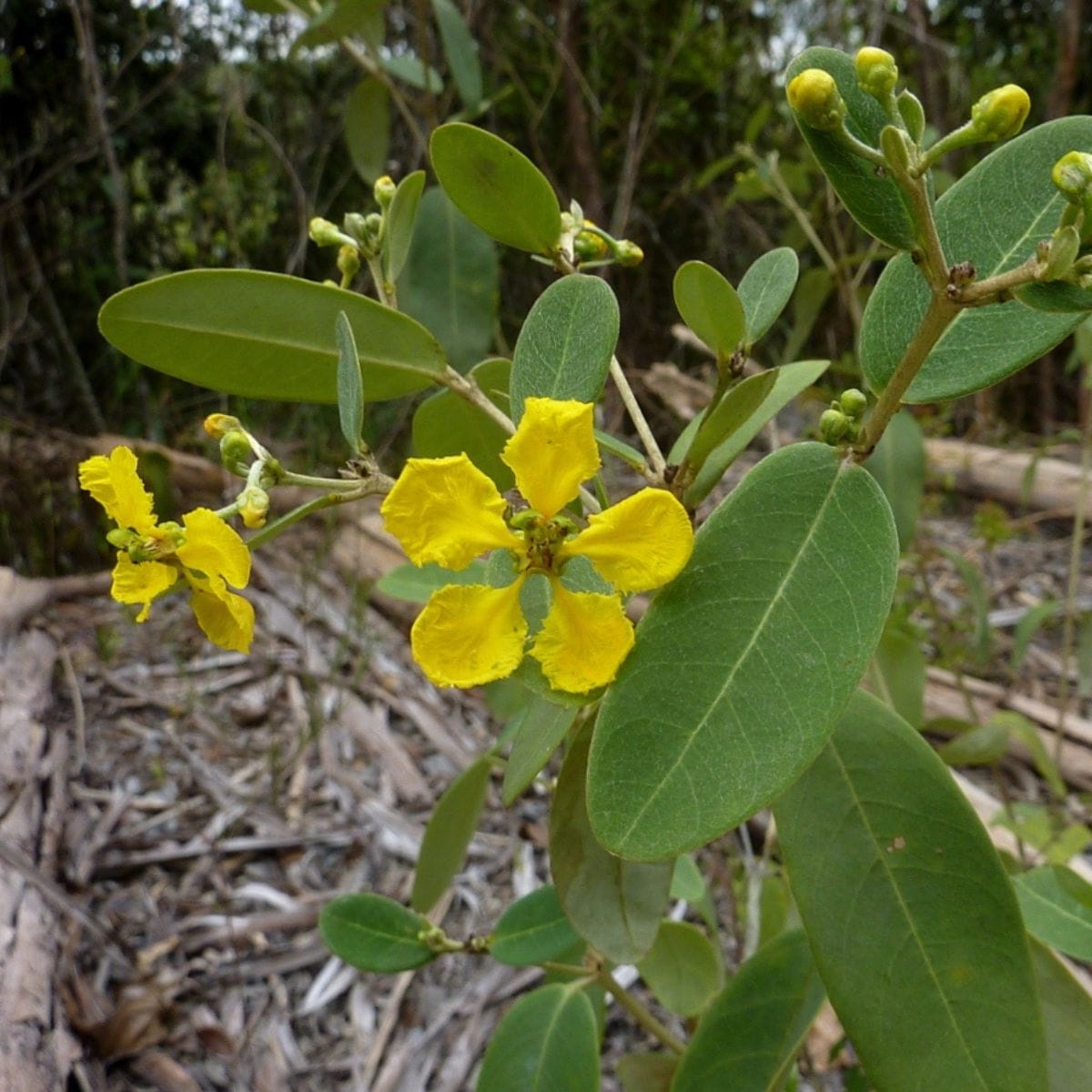
With this in mind, Ana Carolina Sabino de Oliveira and her team set out to discover how flower age influences resource availability and reproduction in Stigmaphyllon paralias. To do this, they carried out experiments in the dry Caatinga forests of Brazil, where they measured how petal colour, the resources offered to pollinators, and the reproductive performance of both the pollen-producing and pollen-receiving parts of the flowers changed over time.
They found that Stigmaphyllon paralias flowers keep a consistent appearance for pollinators throughout their entire lifespan. Although petals gradually lose a bit of their colour intensity, bees still see them as unchanged. In other words, an older flower looks just as inviting as a fresh one, which keeps them coming back to the blooms consistently.
Meanwhile, flowers slowly release pollen and floral oil. These resources are essential for reproduction and for the bees that rely on them. Flowers exposed to visitors lost nearly all their oil in two days, while isolated flowers retained much more, showing that bees collect oil repeatedly while spreading pollen between flowers.
Pollen release followed a similar trend. Flowers visited by bees released more pollen from their anthers, which increased their success in spreading genetic material. Interestingly, the more oil a flower lost, the better it performed in dispersing pollen, simply because more oil loss attracts more bee visits, which means more opportunities for pollen to travel.
In contrast, the female side of reproduction remained stable. The number of pollen grains reaching the stigma stayed relatively constant, with only a slight increase in flowers visited by pollinators. This likely occurs because stigmas receive enough pollen early in the flower’s life, ensuring female function remains efficient from the start.
Taken together, these findings reveal an elegant strategy. Stigmaphyllon paralias flowers age gracefully, retaining their visual charm while steadily releasing the resources that keep bees coming back. By balancing appearance and reward, each short-lived bloom maximises its contribution to the plant’s long-term success. This study shows how plants can fine-tune their energy investment, turning small daily rewards into big reproductive gains even in environments where resources are scarce.
READ THE ARTICLE:
Sabino‐Oliveira, A. C., Carneiro, L. T., Brito, V. L. G., & Machado, I. C. (2025). Flower age increases male but not female performance through resource availability in a floral oil‐producing species. Plant Biology. https://doi.org/10.1111/plb.70094

Victor H. D. Silva
Victor H. D. Silva is a biologist passionate about the processes that shape interactions between plants and pollinators. He is currently focused on understanding how urbanisation influences plant-pollinator interactions and how to make urban green areas more pollinator-friendly. For more information, follow him on ResearchGate as Victor H. D. Silva.
Portuguese translation by Victor H. D. Silva
Cover picture by João Medeiros (Wikimedia Commons)

.jpg?ref=botany.one)