


As cities grow, natural areas are replaced by roads, buildings and concrete. For us, this often means better urban infrastructure. For wildlife, however, it means being pushed into small green islands such as parks and gardens. In this harsh environment, city life acts like a filter. A few adaptable species remain, while more specialised ones quietly disappear.
But this story does not have to end there. Urban green spaces can still support a surprising variety of life, including butterflies, if they provide the resources these species need to survive. To a human visitor, a park may seem like a single green space. To a butterfly, however, it is a complex world shaped by plants, temperature, moisture and what lies beyond the park’s edges.
Butterflies are closely tied to plants throughout their entire life cycle. Their caterpillars depend on specific host plants to grow, while adults rely on flowers for nectar and on suitable microclimates to control their body temperature. Because of this close relationship, butterflies respond quickly to changes in vegetation, water availability and habitat structure. This makes them excellent indicators of environmental health in cities.
Previous studies have shown that butterfly diversity is often influenced by what exists just a few hundred metres beyond a park’s borders. Other studies suggest that the wider urban landscape also matters. Features such as tree cover, nearby water bodies and how green spaces are connected, can all shape which species manage to survive. Areas close to water, for example, are especially important, as they tend to be cooler and more humid, creating safer conditions for butterflies.
Despite this, scientists still disagree on one key question: at what spatial scale does the city truly matter to a butterfly? To solve this, Nathali Coral-Acosta and her team set out to understand how urban parks support butterflies, and how the surrounding city influences which species can survive there. They focused not only on how many species were present, but also on the traits those butterflies have, such as wing size, which affect how they move and use their environment.
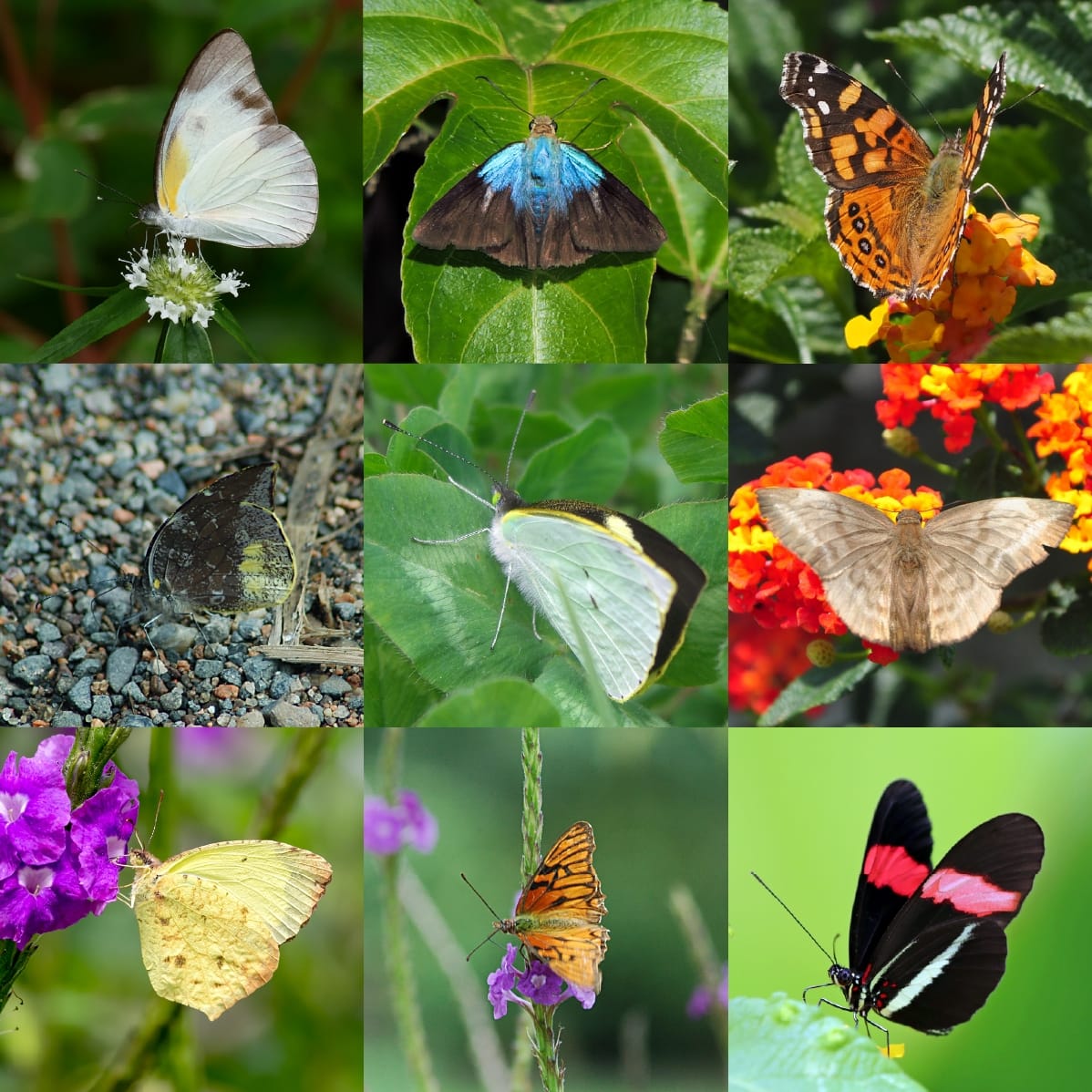
Overall, they recorded 15 butterfly species in the 15 parks studied. Most individuals belonged to a few common species, such as Leptophobia aripa, while almost half of the species were seen only once. Surprisingly, three species (Aeria eurymedia, Glutophrissa drusilla and Heliconius erato) usually found at lower altitudes were recorded in the city for the first time, suggesting that butterfly distributions may already be shifting, possibly due to climate change.
Inside the parks, vegetation and park size made a clear difference. Medium and large parks with taller trees and more native plants supported more kinds of butterflies. Taller trees create shade, shelter and more stable conditions, helping butterflies control their body temperature and avoid wind and predators. However, these conditions mainly favoured common species that adapt well to city life, while more specialised butterflies struggled to survive. Native trees and shrubs were especially important because caterpillars depend on specific host plants to grow, showing that having the right plants mattered more than simply having many plants.
When the researchers looked beyond park boundaries, a different story was found. Groups of nearby pocket parks and neighborhood parks increased the number of species when they were close enough, showing that small green spaces may work collectively. Water bodies also played a key role, particularly at distances of around 750 metres. Smaller butterflies tended to stay closer to moist areas because they are more sensitive to heat and drying out, while species with larger wing spans were better able to use drier, more exposed parts of the city.
In contrast, dense buildings close to parks reduce butterfly numbers by limiting food plants for caterpillars and nectar for adults. This confirms long standing concerns that urban development can directly lower habitat quality, even for common species.
Together, these results show that butterflies experience the city at multiple scales. What helps them inside a park may be different from what matters across the wider landscape. Therefore, urban butterfly conservation cannot rely on isolated green spaces. Instead, cities need connected parks, native vegetation, tall trees and access to water working together as a system, pointing toward smarter and more biodiversity-friendly urban planning.
READ THE ARTICLE:
Coral‐Acosta N, Castaño JH, Jiménez DTR, Urbina‐Cardona JN. 2025. Scale‐Dependent Effects of Landscape Heterogeneity on Butterfly Functional and Taxonomic Diversity in Andean Urban Parks. Ecology and Evolution 15. https://doi.org/10.1002/ece3.72341
Portuguese translation by Victor H. D. Silva.
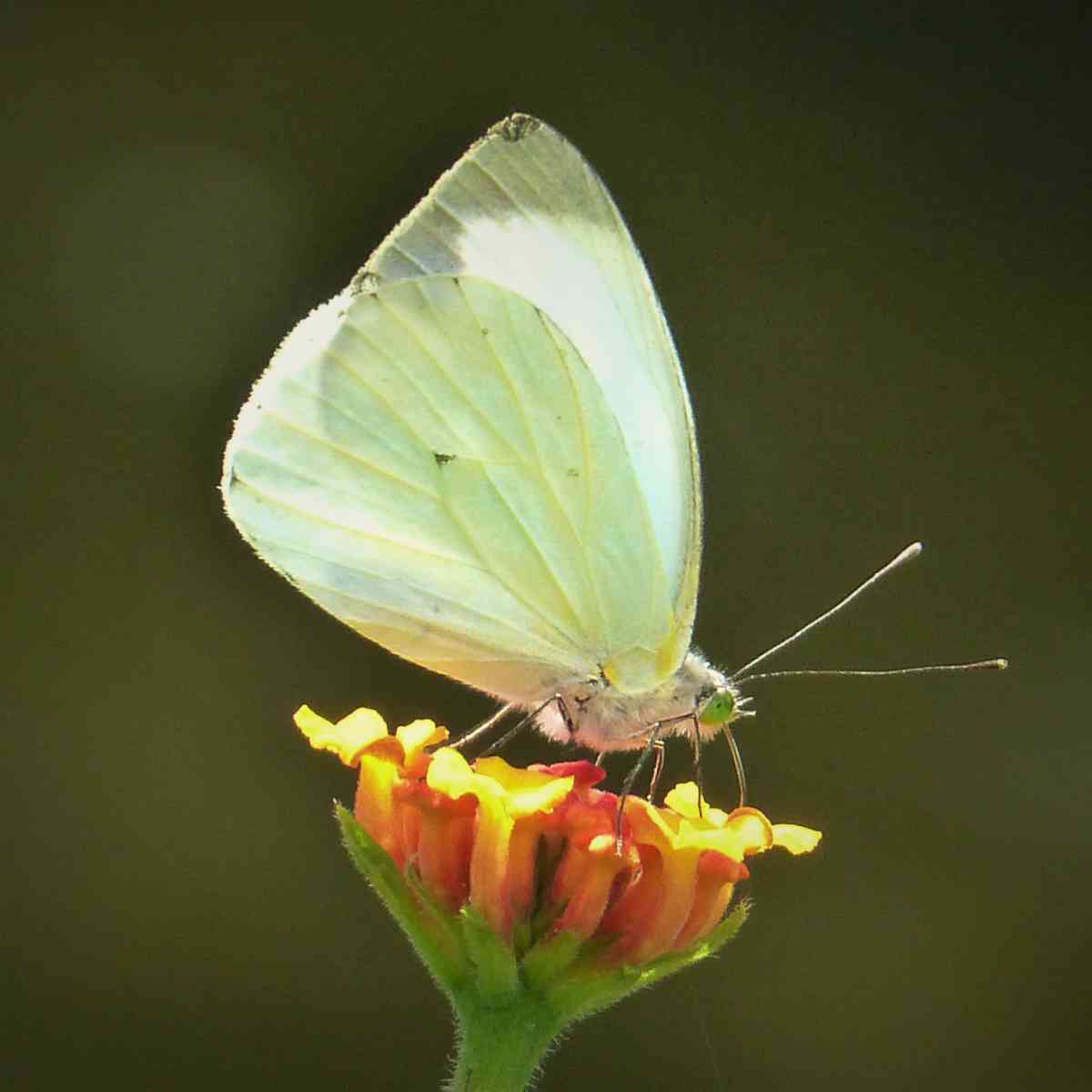
Cover picture: Leptophobia aripa by gailhampshire (Wikimedia Commons).



_on_a_Rubiaceae_(Spermacoce_capitata)_..._(40713269141).jpg?ref=botany.one#/media/File:Tropical_White_(Glutophrissa_drusilla)_on_a_Rubiaceae_(Spermacoce_capitata)_..._(40713269141).jpg)
_2015-06-14_(2)_(39618889354).jpg?ref=botany.one#/media/File:Lieinix_nemesis_(Frosted_Mimic-White)_2015-06-14_(2)_(39618889354).jpg)
.jpg?ref=botany.one#/media/File:Leptophobia_eleone_(5).jpg)
.jpg?ref=botany.one#/media/File:Salome_Yellow_(49698374862).jpg)
_2015-06-02_(6)_(39412039245).jpg?ref=botany.one#/media/File:Dione_glycera_(Andean_Silverspot)_2015-06-02_(6)_(39412039245).jpg)
.jpg?ref=botany.one)