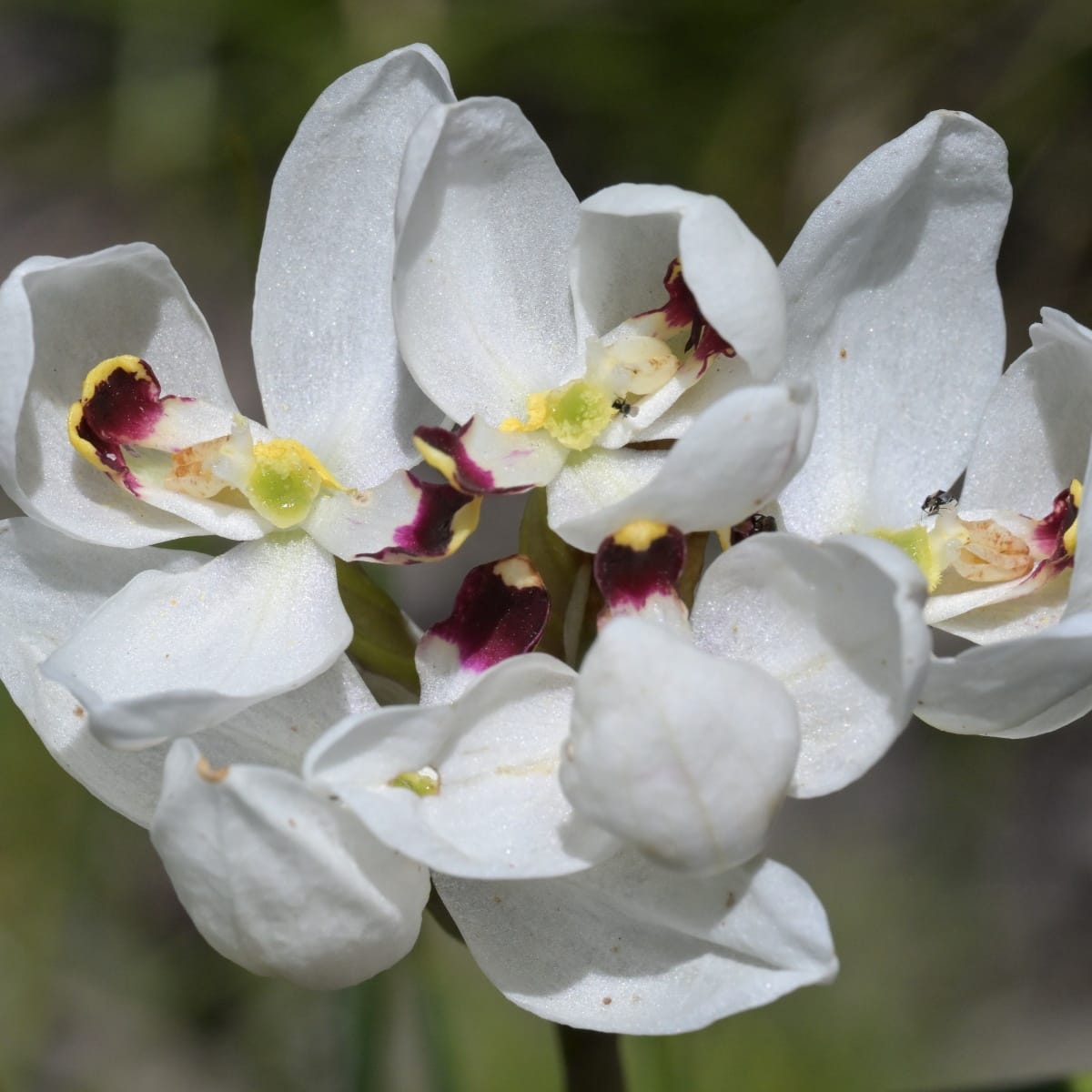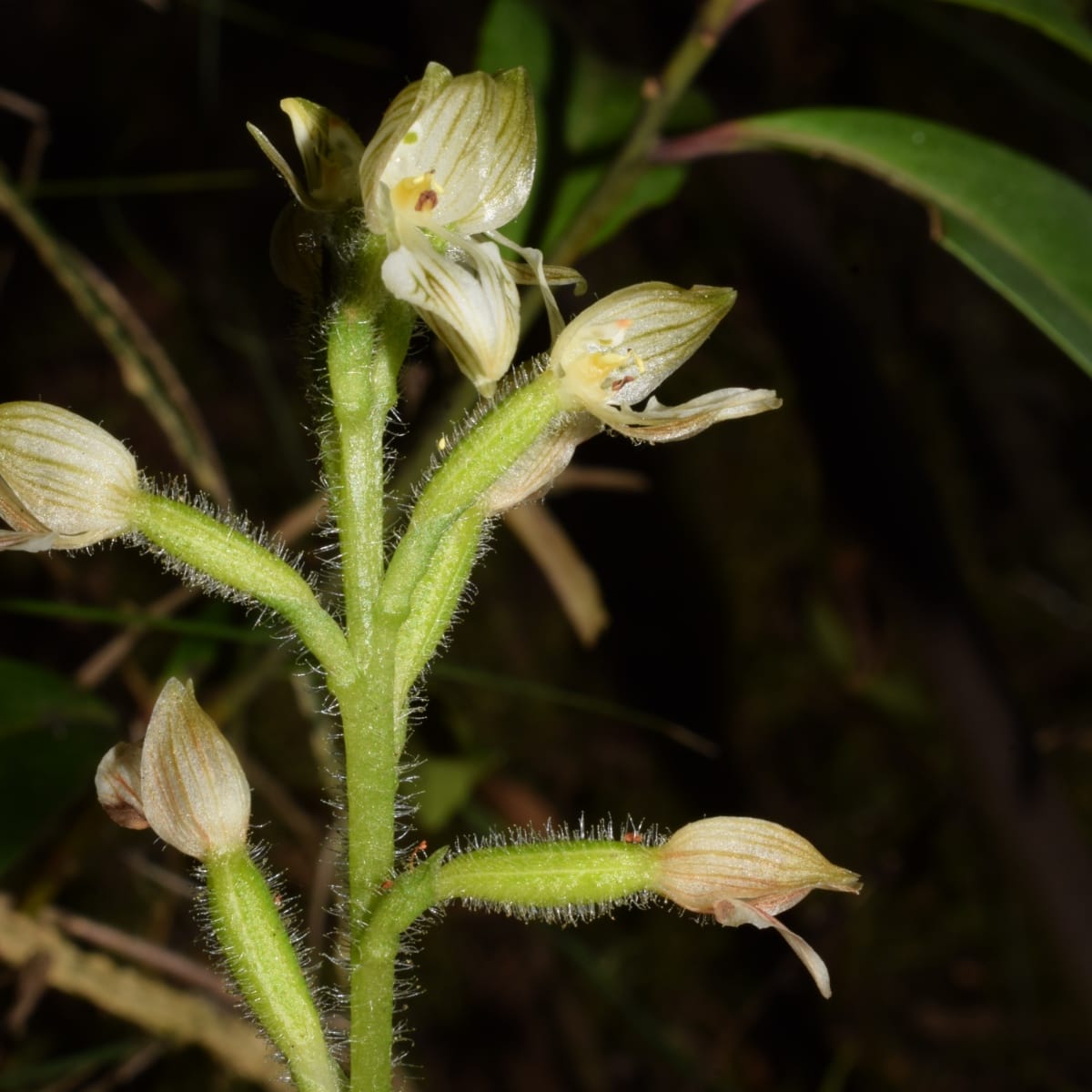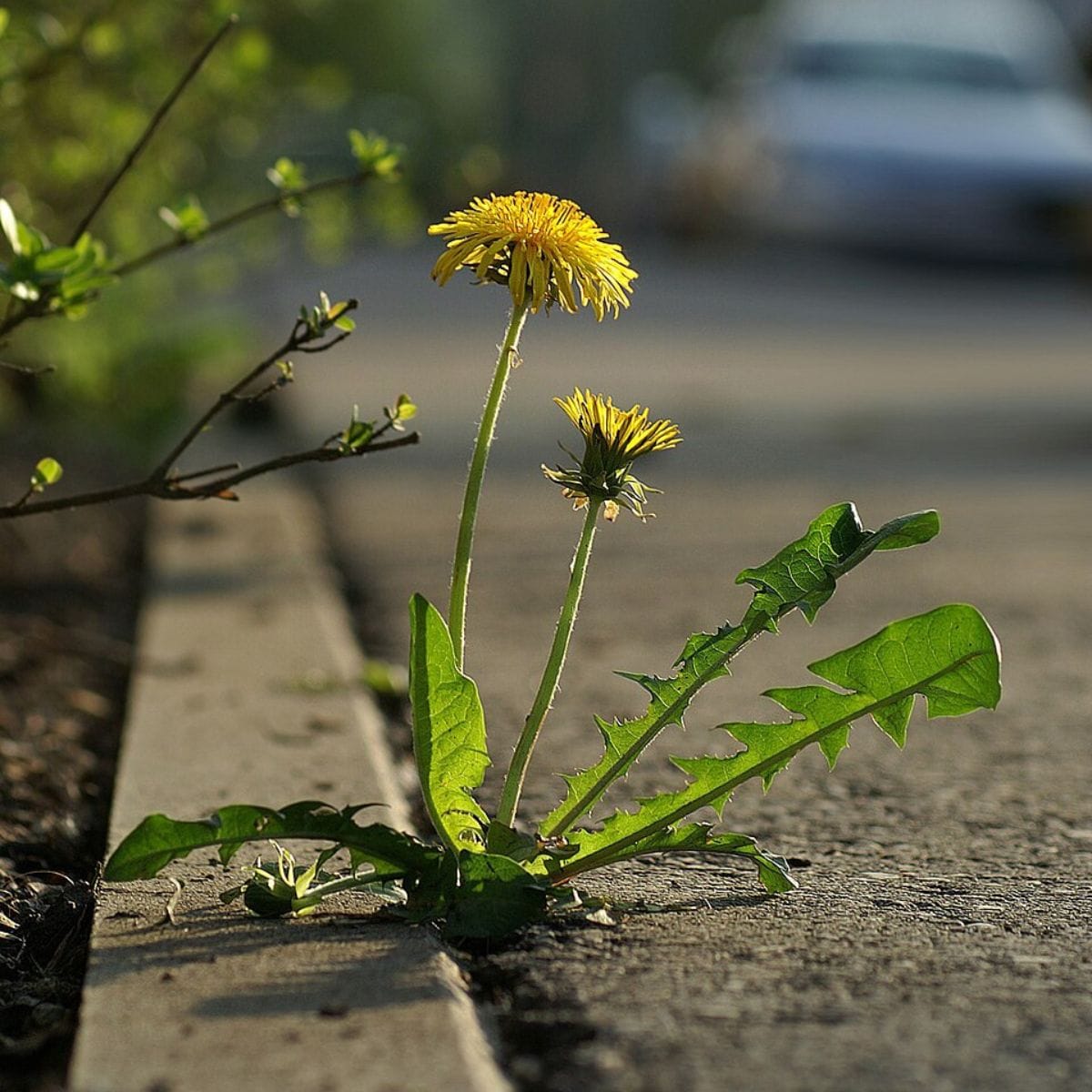



Like all living beings, plants have a basic goal: to ensure the survival of their species over time. To achieve this, they must complete two essential tasks. First, they need to move pollen from the anthers to the stigma, so reproduction can occur. Then, they need to spread their seeds to new places where new plants can grow. Plants can do this using wind, water, animals, or sometimes humans, often without anyone noticing.
However, the environment plays a decisive role in determining which of these strategies actually work. In dry and open habitats, such as deserts or exposed fields, wind pollination and wind seed dispersal are common because there is little food or shelter for animals. In wet and forested habitats, animals such as insects, birds, and mammals play a much larger role in moving pollen and seeds.
But if different environments favour different plant strategies, what happens when the environment is not a desert or forest, but a city?
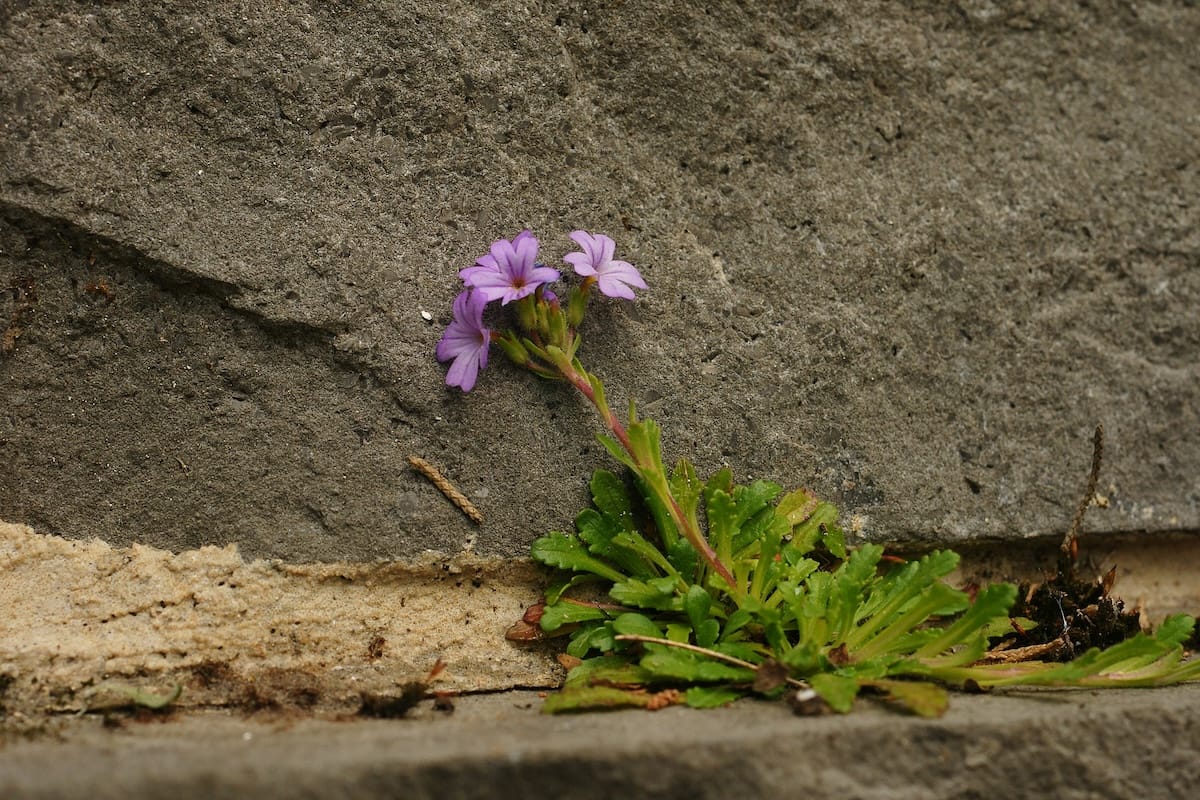
Cities are often described as concrete jungles, yet life still finds a way to grow between the cracks. Urban environments impose some of the harshest conditions plants can face: heat builds up quickly, water drains away or never reaches the soil, and suitable growing spaces are small and scattered. Pollinators such as bees may be less abundant, and human activity constantly disturbs the ground.
Parking lots are an extreme example of this challenge. Covered in asphalt, exposed to traffic and routine maintenance, they seem like the last place plants should survive. And yet, small patches of greenery persist along kerbs and in cracks.
But how does this happen? How do plants even manage to reach these places? How do plants reproduce in such harsh environments, where high temperatures can disrupt flowering times and insect pollinators are often scarce? How does life persist in places we usually dismiss as biologically empty?
To answer these questions, Lauren J. Frazee and her team examined which plants manage to arrive, survive, and reproduce in asphalt parking lots across New Jersey in the United States. They compared the species found in parking lots with a wider regional list of local plants and used a large global plant trait database to record how seeds are dispersed and how flowers are pollinated, whether by wind, animals, or other means.
They found that plants growing on asphalt are not defined by a single way of reproducing. Instead, these species are far more likely than the region’s overall flora to use several strategies at once.
Pollination comes first. Many parking lot plants can be pollinated by insects, by wind, or even by themselves. In other words, they are not picky, they are generalists. This flexibility allows plants to produce seeds even when bees are scarce, flowering times are disrupted by heat, or urban conditions change from day to day.
Seed dispersal showed an even stronger pattern. Plants growing in parking lots use more ways to move their seeds than plants found across the broader landscape. Many could disperse seeds by wind, water, animals, or simply drop them nearby. This matters because parking lots are like isolated islands, surrounded by concrete and traffic. Reaching them can be harder than surviving once there. A plant with more ways to spread its seeds simply has a better chance of landing in a crack or along a kerb where life is possible.
If one route fails, another may succeed.
Taken together, these findings suggest that parking lots quietly reward plants that keep their options open. These harsh, fragmented habitats act like powerful sieves, letting through species that can arrive in many ways and reproduce even when conditions are unreliable. Rather than favouring one perfect trick, asphalt seems to select for flexibility. Overall, the message is simple but powerful. Parking lots are not ecological wastelands. They are arenas where adaptability wins.
READ THE ARTICLE:
Frazee, L. J., Aronson, M. F., Kattge, J., & Struwe, L. (2025). Asphalted parking lots are environmental filters for multiple propagule dispersal and pollination strategies. Nordic Journal of Botany, e04491. https://doi.org/10.1002/njb.04491

Victor H. D. Silva
Victor H. D. Silva is a biologist passionate about the processes that shape interactions between plants and pollinators. He is currently focused on understanding how urbanisation influences plant-pollinator interactions and how to make urban green areas more pollinator-friendly. For more information, follow him on ResearchGate as Victor H. D. Silva.
Cover picture by böhringer friedrich (Wikimedia Commons).
Portuguese translation by Victor H. D. Silva.